The Advantages of Tin Solder: A Key Component in Modern Electronics
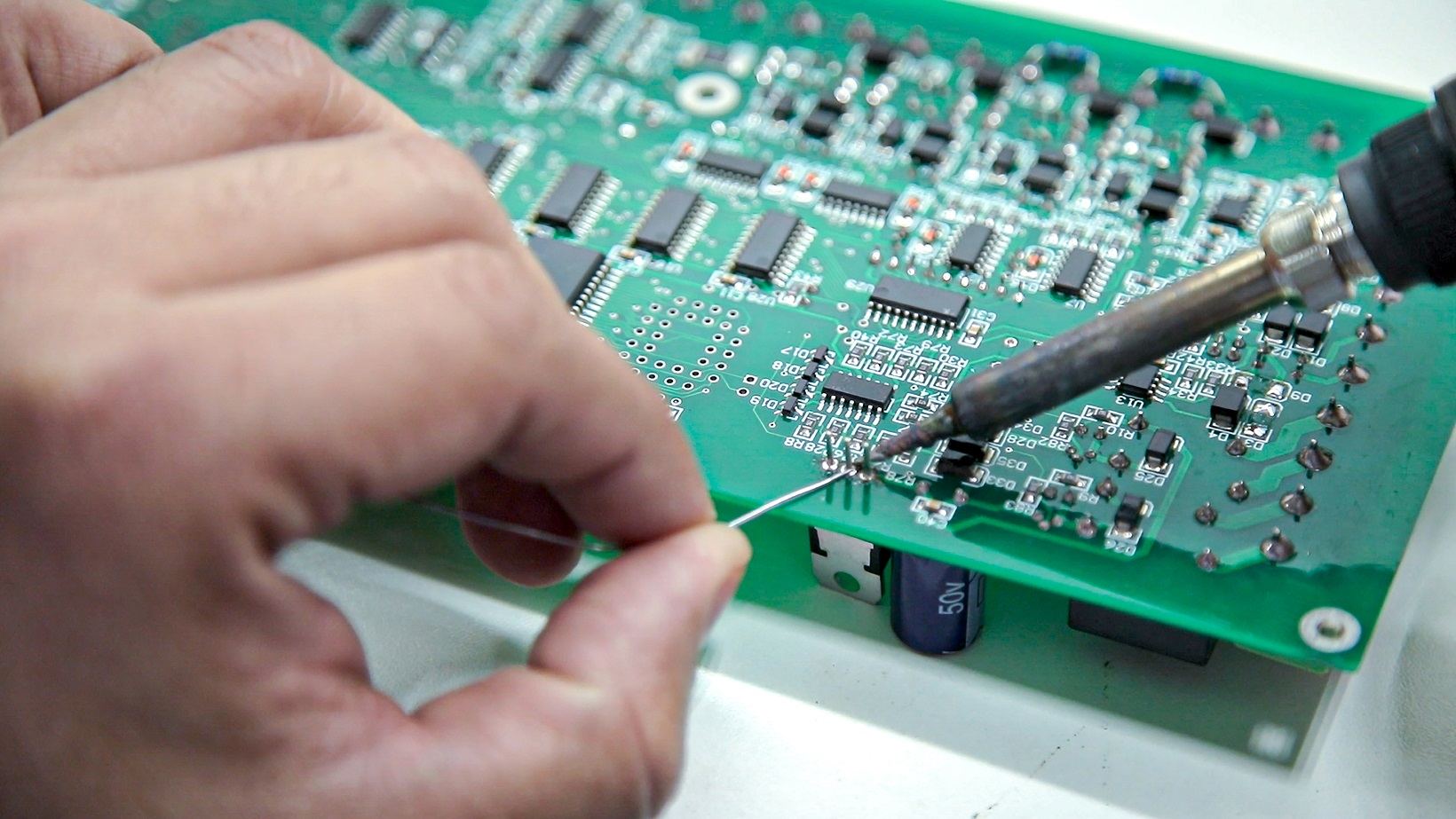
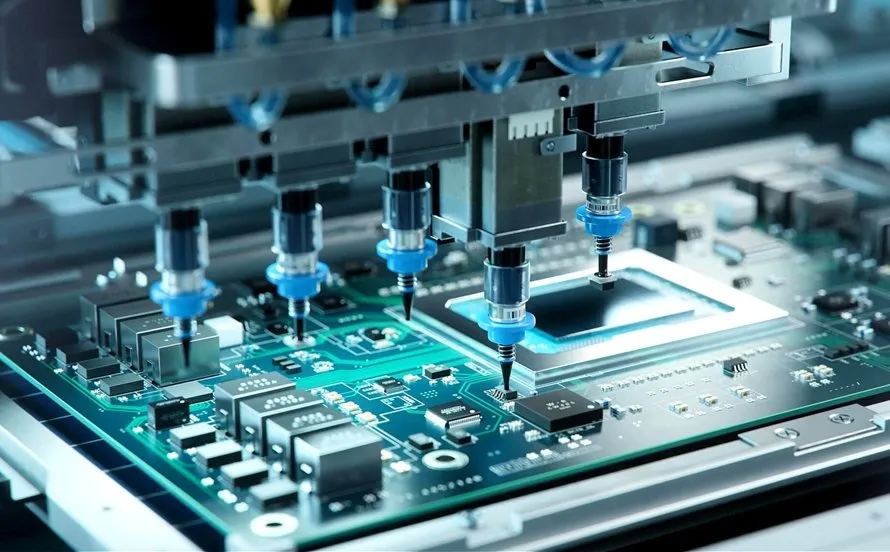
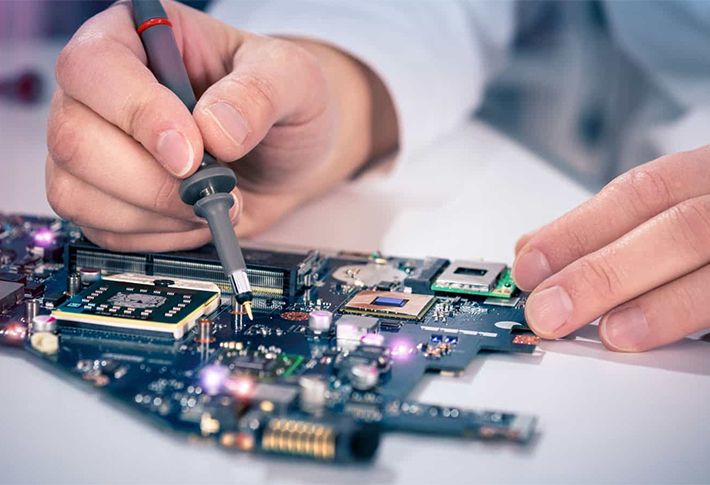
Tin solder has become an essential material in the world of electronics, widely used in assembling electronic components onto printed circuit boards (PCBs). Its popularity can be attributed to its numerous advantages, making it the go-to choice for engineers and manufacturers. Here’s why tin solder stands out in the world of electronics.
1. Excellent Electrical Conductivity
One of the main benefits of tin solder is its superior electrical conductivity. Tin, being a highly conductive metal, ensures that electrical signals pass smoothly through soldered joints. This is crucial for maintaining optimal performance in electronic devices.
2. Corrosion Resistance
Tin solder is highly resistant to corrosion, which is a significant factor for the longevity and reliability of electronic components. This resistance helps to prevent the degradation of solder joints over time, ensuring that devices maintain their functionality and durability, even in harsh environments.
3. Low Melting Point
Tin solder has a relatively low melting point, usually between 180°C to 190°C, which makes it ideal for delicate electronic components. It reduces the risk of damaging sensitive parts during the soldering process and allows for faster production and assembly.
4. Environmental Friendliness
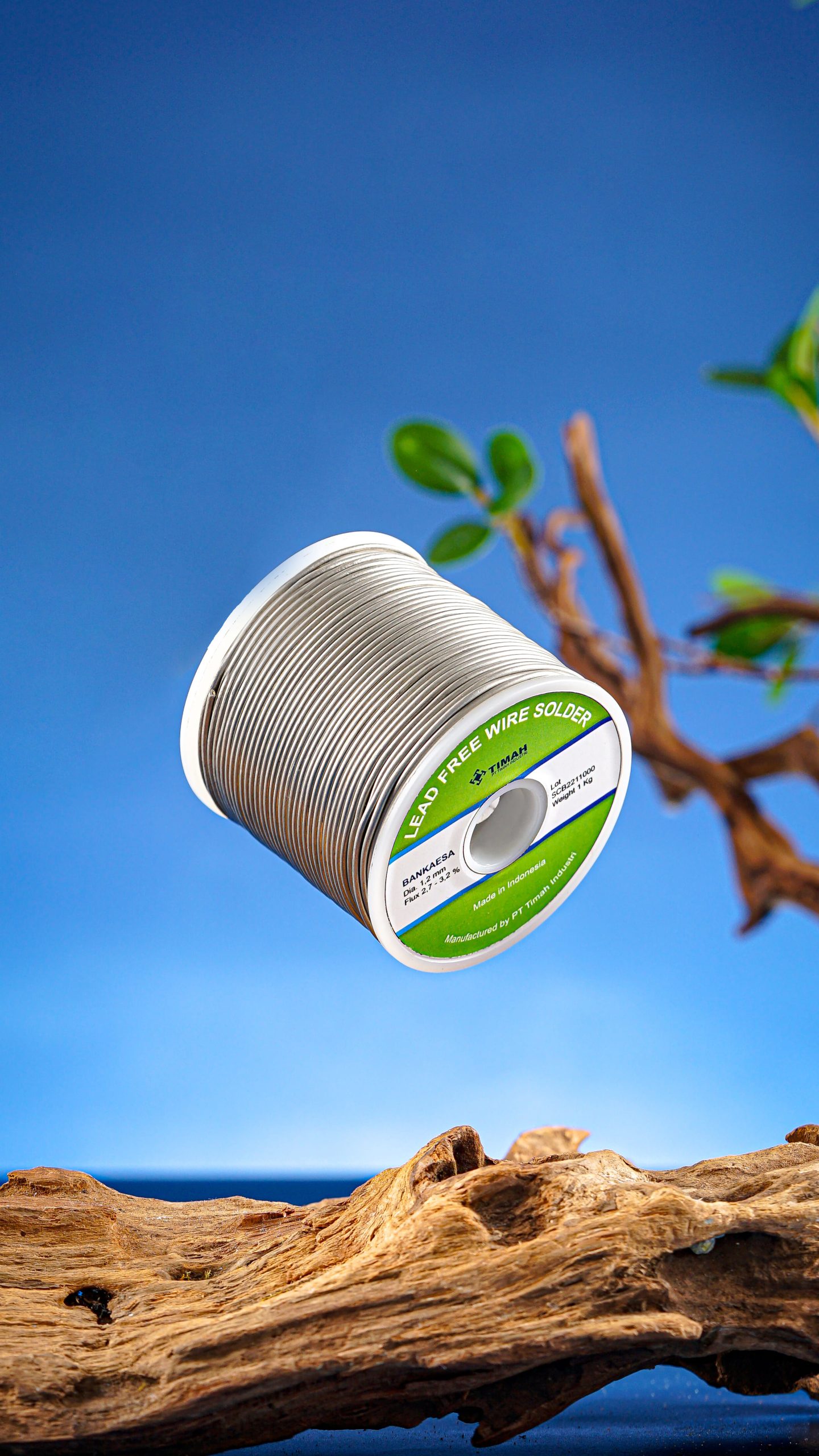
As environmental concerns grow, tin solder stands out as a more eco-friendly option compared to other solders that may contain lead. Lead-free solder alternatives, which often include tin, are better suited for environmentally conscious manufacturing practices and comply with regulations like RoHS (Restriction of Hazardous Substances).
5. Cost-Effectiveness
Tin solder is a cost-effective solution for many applications, making it an attractive choice for both small and large-scale manufacturing. Its affordability does not come at the expense of quality, providing excellent value for its performance.
In conclusion, tin solder offers a range of benefits, including excellent electrical conductivity, corrosion resistance, a low melting point, environmental friendliness, and cost-effectiveness. These advantages make it an ideal material for ensuring the quality and longevity of electronic products.